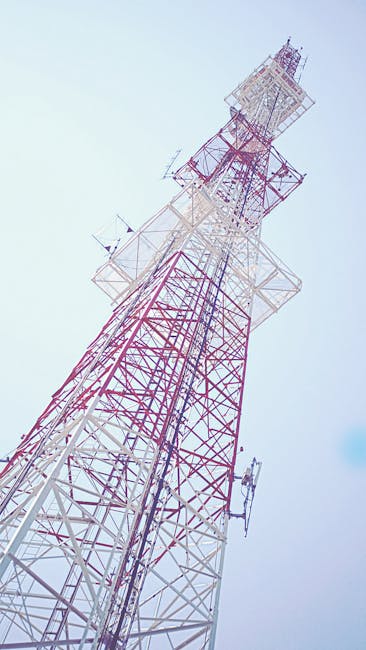
 Recognizing Wireless Equipments: The Future of Connection
In today’s busy electronic world, wireless systems have come to be an integral part of our daily lives. From smart devices and laptop computers to wise home gadgets, the reliance on cordless technology has escalated substantially over the past years. This quick development not just streamlines communication however additionally improves the overall individual experience, enabling seamless links across various applications. In this post, we will certainly explore what wireless systems entail, their kinds, benefits, obstacles, and their future in a rapidly advancing technical landscape.
Wireless systems largely involve the transmission of information over a distance using electro-magnetic waves as opposed to wired connections. These systems can be classified right into a number of kinds, consisting of Wi-Fi, Bluetooth, mobile networks, and satellite communication. Each type serves a distinct objective and operates on particular frequencies to help with communication. For example, Wi-Fi networks are commonly utilized for lan connection, while cellular networks enable mobile interaction over substantial distances, dealing with countless customers simultaneously.
The benefits of wireless systems are manifold. First of all, they supply unequaled comfort, enabling customers to gain access to info and solutions from virtually anywhere without being connected to a physical link. This versatility has actually caused the rise of mobile computer and the Web of Things (IoT), where daily things are adjoined, enhancing capability and individual experience. In addition, cordless systems often reduced setup expenses and simplify network management, making them an attractive alternative for organizations and individuals alike.
Regardless of their countless benefits, cordless systems also deal with challenges such as protection problems and signal interference. The open nature of cordless interaction makes it at risk to unapproved access and information breaches. Therefore, it is critical for individuals and companies to apply durable safety and security procedures, such as file encryption and VPNs, to safeguard their data. Moreover, elements like physical blockages, distance, and environmental conditions can cause indicate destruction, influencing the dependability of wireless communications.
Looking ahead, the future of wireless systems shows up bright, driven by continuous improvements in innovation. With the rollout of 5G networks, individuals can expect dramatically quicker rates, lower latency, and increased connectivity for an ever-growing number of gadgets. This will pave the way for innovations in areas such as self-governing vehicles, telemedicine, and smart cities, placing wireless systems as the backbone of the connected globe. As modern technology remains to evolve, so will the abilities of wireless systems, eventually reshaping the means we connect and communicate with our surroundings.
To conclude, wireless systems are not just a short lived pattern however a fundamental aspect of contemporary connectivity. Via recognizing their kinds, advantages, and obstacles, people and companies can much better value their importance in today’s electronic landscape. As we progress toward an extra interconnected future, welcoming wireless innovation will certainly be essential to unlocking new possibilities and improving our everyday lives.