 Crucial Overview to Medical Office Cleaning
Preserving a tidy and hygienic setting in medical workplaces is crucial for the security and well-being of both clients and healthcare providers. The special nature of medical centers, which usually involve direct exposure to numerous microorganisms and contaminants, necessitates a rigid cleaning procedure. This guide discovers the value of cleansing in clinical workplaces, the best techniques to carry out, and the advantages of specialist cleaning services.
Most importantly, the relevance of tidiness in clinical offices can not be overstated. Proper sanitation helps avoid the spread of infections, safeguards patients with jeopardized body immune systems, and creates a welcoming environment for all who get in. Routine cleansing and disinfection of surfaces such as waiting areas, examination areas, and restrooms are essential to reduce the threat of healthcare-associated infections (HAIs). These events can lead to severe complications and considerable health care costs, underscoring the requirement for complete and regular cleansing procedures.
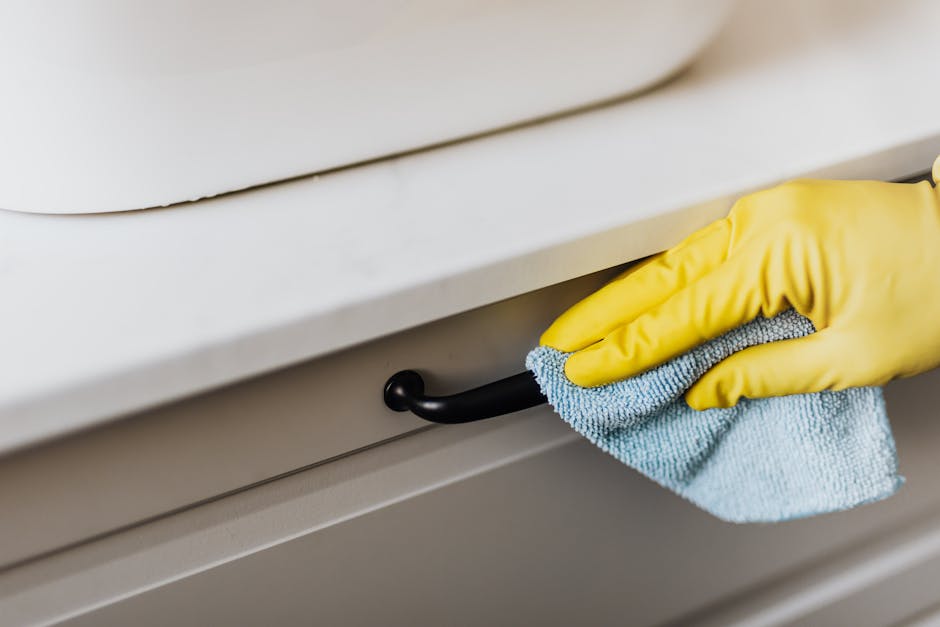
Best practices for clinical office cleansing consist of making use of appropriate cleaning agents that are effective versus a wide variety of germs and infections. Facilities ought to utilize EPA-registered anti-bacterials and comply with the supplier’s guidelines for usage. High-touch surface areas such as doorknobs, light switches, and countertops need special interest and must be disinfected several times throughout the day. Furthermore, using a color-coded cleansing system for different areas of the facility can protect against cross-contamination, guaranteeing that cleansing supplies do not lug microorganisms from one location to an additional.
Furthermore, organizing routine deep cleaning sessions is essential for preserving a pristine environment. These cleansings surpass everyday surface area cleansing, entailing complete scrubbing up and sanitization of rugs, upholstery, and even air ducts. This procedure not just improves health but also improves interior air top quality– a crucial variable for patient convenience and wellness. Moreover, engaging a professional cleaning company focusing on medical facilities can make certain that all cleansing requirements are fulfilled and that team are trained in the most up to date infection control methods.
In conclusion, clinical workplace cleaning is a fundamental facet of healthcare that calls for mindful interest to information and adherence to finest techniques. By implementing rigorous cleansing protocols, using appropriate items, and purchasing expert services, clinical workplaces can promote a safe and healthy environment for individuals and staff alike. Cleanliness not just safeguards the wellness of every person included but also instills self-confidence in patients, contributing to an extra favorable healthcare experience.